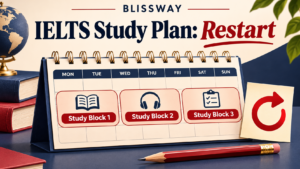
If you miss a week of IELTS preparation, do not automatically double every study session. Restart with a short diagnostic task, choose one priority and rebuild a routine you can repeat. A realistic plan is more useful than an ambitious timetable you abandon after two days.
Check where you are now
Review your most recent work before starting a large new set. Write a short paragraph, record an answer or complete a small reading exercise from material you are entitled to use. Identify one clear problem rather than deciding that every skill has disappeared.
Build a three-day restart
- Day one: review one earlier mistake and practise a fresh example of the same skill.
- Day two: complete a manageable task in another skill, then review why an answer or sentence did not work.
- Day three: return to the original priority and check whether you can apply the correction independently.
Adjust the length of each session to your actual schedule. These are learning suggestions, not an official preparation timetable or a promise of a particular band.
Separate unfinished work from essential work
You do not have to complete every missed worksheet in order. Keep tasks that address your current weaknesses and ask your trainer which older exercises remain important. Repeating familiar easy questions can feel productive while leaving the difficult issue untouched.
Protect a review checkpoint
At the end of the week, compare two fresh attempts and note one improvement and one remaining difficulty. If your exam date is close, discuss your readiness and available options with the relevant provider or trainer rather than assuming extra hours will solve everything.
Build a realistic restart timetable
Begin by writing down the time you actually have, including travel, meals and work or college commitments. A plan that assumes an uninterrupted evening may fail if you regularly arrive home tired. Choose a dependable short slot first, then add optional work only when the essential session is complete.
For example, use one session to identify why three reading answers were wrong, another to record and review a speaking response, and a third to revise a writing paragraph. These activities are deliberately small. The aim is to restore the habit of practice followed by review, not to tick off a large number of unfinished pages.
Use a keep, defer and drop list
- Keep: work that addresses a repeated problem in your recent attempts.
- Defer: useful tasks that do not fit the current week.
- Drop: duplicate worksheets or exercises you can already complete without difficulty.
Dropping a repetitive task is not the same as ignoring a weak skill. Explain your choice using evidence from your work. If you are unsure whether a task matters, ask your trainer which learning objective it serves and what a suitable alternative would be.
Check progress without changing every variable
Compare work completed under roughly similar conditions. An untimed paragraph written with a dictionary is not directly comparable with a timed attempt without help. Label your practice conditions so you can distinguish increased understanding from extra assistance.
At the review checkpoint, write one sentence beginning “I can now…” and another beginning “I still need to…”. Make both specific. “I can now identify the supporting sentence for my reading answer” is clearer than “my reading is better”. Use the remaining difficulty to choose the next small session.
When the plan needs adjustment
If the same timetable fails twice, change the timetable rather than simply promising to try harder. Reduce a session, move it to a reliable time or separate practice from review. Discuss a close exam date using your current performance and actual available time. No fixed number of extra study hours can guarantee readiness.
FAQs
Should I practise only my weakest skill?
Give it focused attention while keeping contact with the other skills. Your balance should reflect your needs and available time.
What if I keep missing sessions?
Reduce the size of the plan and identify the practical barrier, such as travel or an unrealistic evening timetable. A smaller repeatable routine is a useful starting point.
Use the weekly error log to choose priorities and the working-student routine to plan around other commitments.
Discuss IELTS preparation in Zirakpur
Explore IELTS coaching at Blissway. Visit SCO 40, Third Floor, Mohali Citi Square, Patiala Road, Zirakpur, Punjab. Ask about a free demo, current timings and availability before travelling.
Call for a Free Demo: +91 99993 36414 WhatsApp Blissway
Continue Your IELTS & PTE Preparation
Explore related guides and get personalised help with your preparation at Blissway Zirakpur.
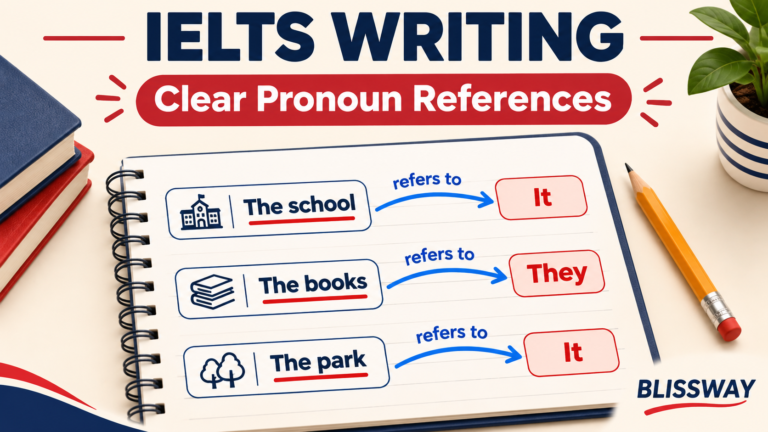 IELTS Writing Practice: Make Pronouns Clear Before You Add More Linking Words
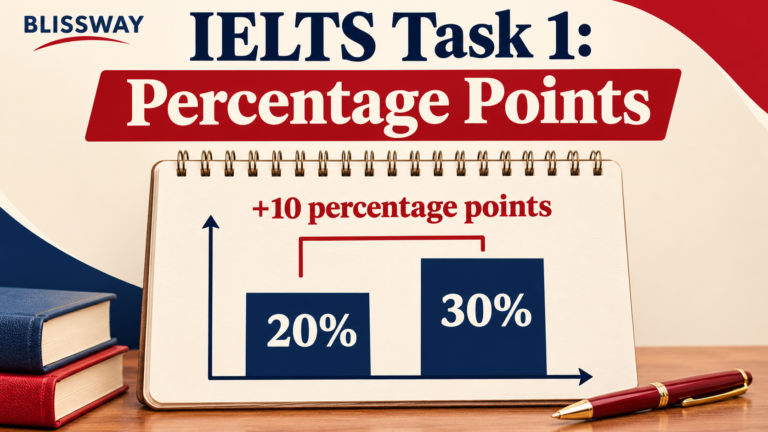 IELTS Task 1 Practice: Separate Percentages from Percentage-Point Changes
 IELTS Classes Near Me in Zirakpur: Compare Travel Time with Useful Feedback
 IELTS Speaking Practice: Keep Talking When You Cannot Remember a Word
Explore our IELTS coaching in Zirakpur or PTE coaching in Zirakpur for structured practice and trainer feedback.
Ready to Plan Your Target Score?
Speak to our team about your exam, target score and preparation timeline.